
Introduction
Ayurveda, an ancient system of medicine from India, offers a holistic approach to health and wellness. With its roots tracing back over 5,000 years, Ayurveda emphasizes harmony between mind, body, and spirit. But how does this ancient practice remain relevant in our modern, fast-paced lives? Let’s dive deep into Ayurveda’s principles, benefits, and practices to understand its transformative power.
1. What is Ayurveda?
Ayurveda translates to “the science of life” in Sanskrit. Originating in India, this traditional system combines natural remedies, lifestyle practices, and spiritual insights to promote holistic healing.
Core Principles: Vata, Pitta, and Kapha
Central to Ayurveda are the three doshas:
- Vata (air and space) governs movement and creativity.
- Pitta (fire and water) regulates digestion and metabolism.
- Kapha (earth and water) is responsible for strength and stability.
By balancing these doshas, Ayurveda aims to restore harmony within the body.
Connection to Holistic Wellness
Unlike modern medicine, which often targets symptoms, Ayurveda focuses on the root cause. It integrates physical, emotional, and spiritual health, creating a comprehensive wellness approach.
2. Benefits of Ayurveda in Modern Life
In today’s world, lifestyle diseases like diabetes, hypertension, and stress are rampant. Ayurveda provides natural solutions to these challenges.
1. Addressing Lifestyle Diseases Naturally
By focusing on prevention, Ayurveda helps mitigate chronic conditions through personalized diets and herbal treatments.
2. Combating Stress
Stress is often the root cause of numerous ailments. Ayurvedic practices, like meditation and herbal teas, work wonders in calming the mind.
3. Boosting Immunity
Ayurveda promotes a strong immune system through detoxification and a nutrient-rich diet.
3. Ayurvedic Practices for a Healthy Lifestyle
3.1 Daily Routine (Dinacharya)
Ayurveda recommends starting your day with practices like oil pulling, tongue scraping, and drinking warm water. Evening rituals, like Abhyanga (self-massage with oil), help wind down and improve sleep quality.
3.2 Seasonal Routine (Ritucharya)
Adapting to seasonal changes is crucial in Ayurveda. For instance, cooling foods like cucumber are perfect for summer, while warming spices like ginger are ideal for winter.
4. Ayurveda and Diet: Eating for Your Dosha
4.1 Understanding Dosha-Specific Diets
Each dosha type requires a unique dietary approach:
- Vata types benefit from warm, nourishing foods like soups and stews.
- Pitta types thrive on cooling foods like salads and cucumbers.
- Kapha types do well with light, spicy foods that reduce sluggishness.
4.2 Ayurvedic Superfoods
Include these staples in your diet:
- Turmeric: Anti-inflammatory powerhouse
- Ashwagandha: Reduces stress
- Neem: Promotes detoxification
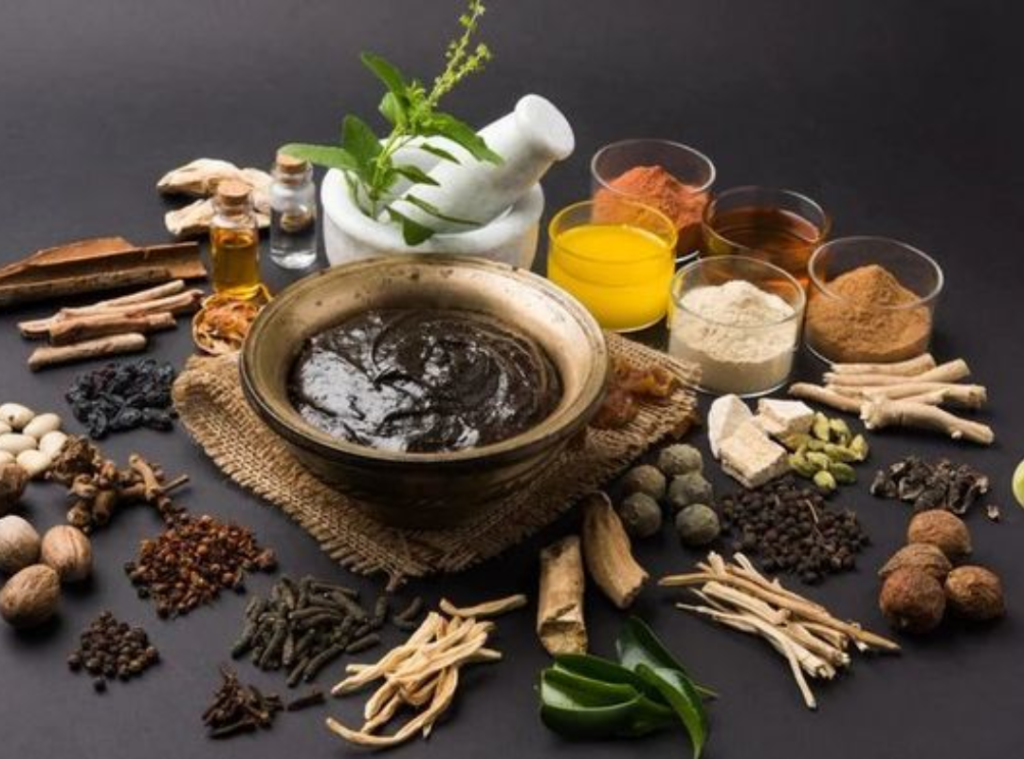
5. Ayurvedic Herbs and Their Uses
Ayurveda offers a treasure trove of herbs:
- Tulsi (Holy Basil): Boosts immunity and fights respiratory issues.
- Brahmi: Enhances memory and focus.
- Shatavari: Supports hormonal balance in women.
For common ailments, Ayurveda suggests simple remedies like ginger tea for indigestion or Triphala powder for detoxification.
6. Ayurveda and Skin Care
6.1 Ayurvedic Treatments for Glowing Skin
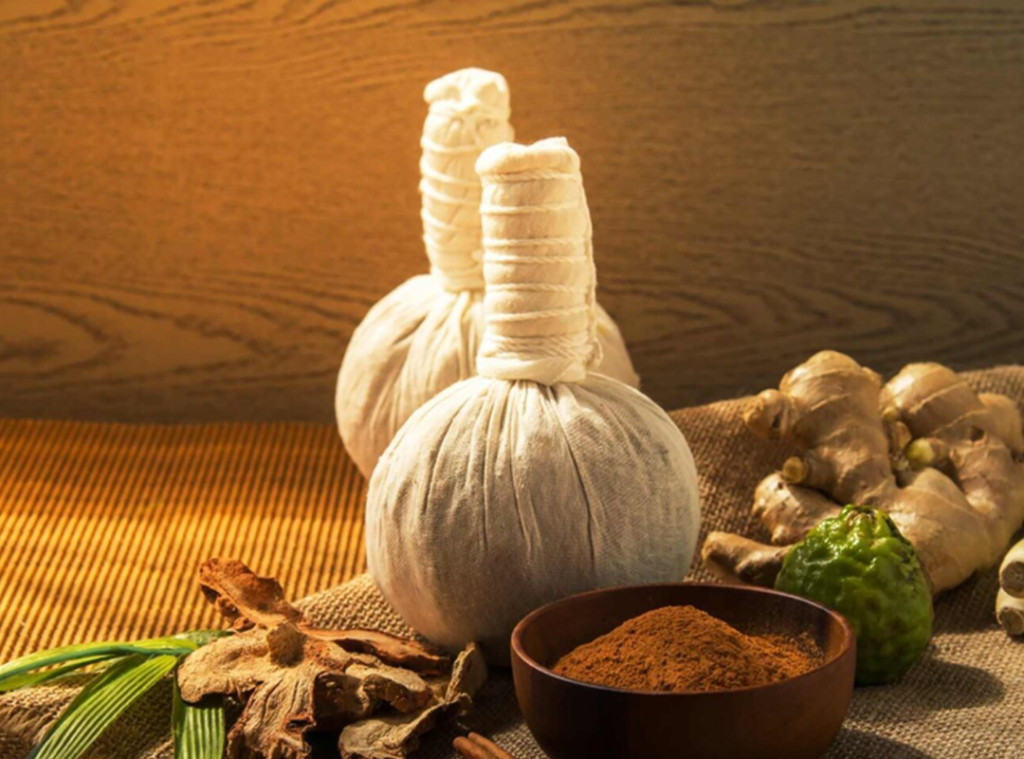
Holistic Healing System views the skin as a reflection of inner health. By balancing the doshas, one can achieve radiant and healthy skin. Key Ayurvedic skin-care practices include:
- Abhyanga (Oil Massage): Regular use of oils like coconut or sesame hydrates and nourishes the skin.
- Natural Face Masks: Ingredients like turmeric, sandalwood, and aloe vera are staples for glowing skin.
- Hydration and Diet: Drinking warm water with a dash of lemon helps detoxify, while including foods like ghee and fruits improves skin texture.
6.2 Remedies for Common Skin Issues
Natural Medicine tackles problems like acne, dryness, and pigmentation with natural solutions:
- Acne: Apply a paste of neem powder and turmeric to reduce inflammation.
- Dryness: Use almond oil or milk-based face masks for hydration.
- Pigmentation: Mix sandalwood powder with rose water for a brightening effect.
7. Stress Management Through Ayurveda
Stress not only affects mental health but also manifests as physical ailments. The Mother of All Healing addresses stress holistically through a combination of practices.
1. Breathing Techniques
Pranayama, or controlled breathing, calms the nervous system. Techniques like Nadi Shodhana (alternate nostril breathing) promote relaxation.
2. Meditation and Mindfulness
Guided meditation and mindfulness practices align the mind and body, reducing anxiety and enhancing focus.
3. Herbal Adaptogens
Herbs like Ashwagandha and Brahmi are excellent for managing stress and improving mental clarity.
8. Panchakarma: The Ayurvedic Detox
Panchakarma is a detoxification therapy in Ayurveda, aimed at removing toxins and rejuvenating the body.
What is Panchakarma?
Panchakarma translates to “five actions” and involves five cleansing processes:
- Vamana (Therapeutic Emesis): Induces vomiting to eliminate toxins from the stomach.
- Virechana (Purgation): Cleanses the intestines through herbal laxatives.
- Basti (Enema Therapy): Detoxifies through medicated enemas.
- Nasya (Nasal Therapy): Clears toxins from the respiratory system.
- Raktamokshana (Bloodletting): Purifies the blood and balances Pitta.
Can You Do It at Home?
While Panchakarma is best conducted under professional supervision, simple practices like consuming Triphala or engaging in self-oil massages can replicate some benefits at home.

9. Ayurveda and Yoga: A Perfect Match
Traditional Indian Medicine and yoga are deeply intertwined, offering a synergistic approach to health.
Integrating Yoga with Ayurveda
Yoga helps balance the doshas and enhances the benefits of Ayurvedic practices. For instance:
- Vata types benefit from grounding poses like Tree Pose and forward bends.
- Pitta types thrive with cooling poses like Moon Salutation.
- Kapha types can energize with dynamic flows like Sun Salutation.
The Mind-Body Connection
Both Traditional Indian Medicine and yoga emphasize the mind-body connection. Together, they help align physical, emotional, and spiritual health.

10. Modern Ayurveda: Bridging Ancient Wisdom and Contemporary Science
As scientific research continues to validate Ayurvedic practices, the relevance of this ancient system has grown.
1. New Research on Ayurvedic Treatments
Studies highlight the efficacy of Ayurvedic herbs like turmeric and Ashwagandha in managing inflammation, stress, and chronic diseases.
2. Applications in Chronic Disease Management
Herbal Medicine is increasingly used to complement modern treatments for diabetes, arthritis, and mental health conditions. The personalized approach of Ayurveda ensures sustainable results.
Conclusion
Vedic Medicine, a 5,000-year-old system of medicine, is more relevant today than ever. By integrating natural remedies, balanced diets, and holistic practices, it empowers individuals to achieve optimal health. Whether you’re seeking to reduce stress, improve skin health, or simply live better, Ayurvedic offers timeless wisdom to transform your life.
FAQs
- What are the three doshas in Tridosha System?
The three doshas—Vata, Pitta, and Kapha—are fundamental energies governing physical and mental functions. - Can Ayurveda help with mental health issues?
Yes, Ayurveda provides holistic approaches like herbal remedies, meditation, and yoga to improve mental well-being. - How do I determine my dosha type?
Consult an Ayurvedic practitioner or take an online dosha quiz to understand your dominant energy type. - What is the best Ayurvedic remedy for stress?
Ashwagandha, Brahmi, and Pranayama breathing exercises are highly effective for stress management. - Is Natural Medicine safe for everyone?
Natural Medicine is generally safe but should be practiced under professional guidance, especially for chronic conditions.
Hi, this is a comment.
To get started with moderating, editing, and deleting comments, please visit the Comments screen in the dashboard.
Commenter avatars come from Gravatar.