
pcod
Ayurvedic Solutions for PCOD
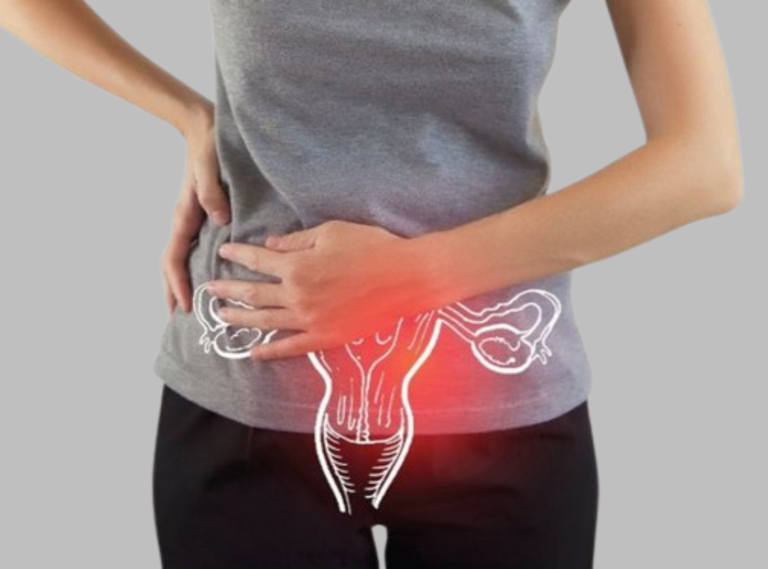
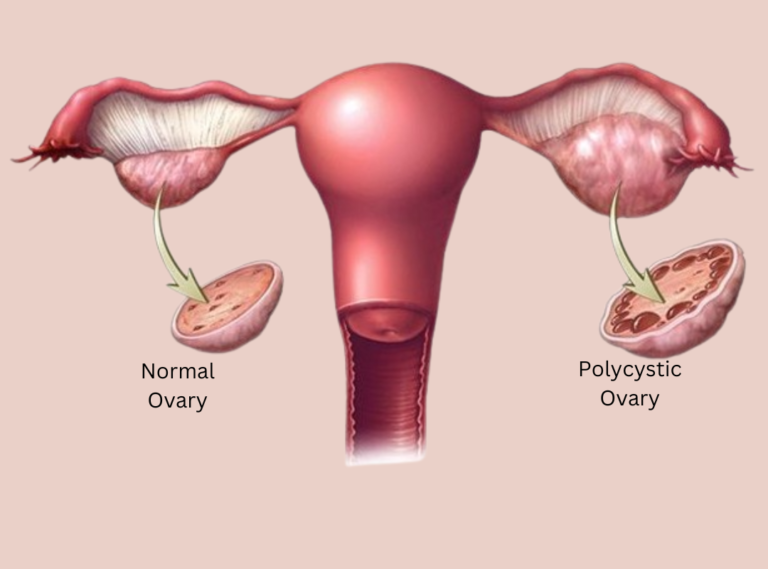
Polycystic Ovarian Disease (PCOD) is a hormonal imbalance that affects many women worldwide, leading to irregular menstrual cycles, weight gain, acne, and infertility. Ayurveda offers a holistic approach to managing PCOD, focusing on balancing the body’s doshas (Vata, Pitta, and Kapha), improving digestion (Agni), and restoring natural hormonal harmony.
Symptoms:
Polycystic Ovarian Disease (PCOD) manifests in various ways, affecting multiple aspects of a woman’s health. Here are the most common symptoms:
1.Irregular Menstrual Cycles
- Delayed, infrequent, or absent periods are hallmark signs due to hormonal imbalances.
- Heavy or prolonged menstrual bleeding may also occur.
2.Excessive Hair Growth (Hirsutism)
- Unwanted hair on the face, chest, back, or abdomen due to increased androgen (male hormone) levels.
3.Acne and Oily Skin
- Persistent acne, especially on the face, chest, and upper back, caused by hormonal fluctuations.
4.Weight Gain
- Difficulty managing weight, especially around the abdomen, is common with PCOD.
5.Hair Thinning or Hair Loss
- Androgenic alopecia or thinning hair, particularly at the crown of the scalp.
6.Fertility Issues
- Difficulty conceiving due to irregular ovulation or lack of ovulation.
7.Dark Patches on Skin (Acanthosis Nigricans)
- Dark, thickened skin, especially around the neck, armpits, and groin.
8.Fatigue and Low Energy Levels
- Chronic tiredness due to hormonal and metabolic disturbances.
9.Mood Swings and Depression
- Increased stress, anxiety, or depressive episodes linked to hormonal imbalances.
10.Skin Tags
- Small, fleshy growths, particularly around the neck and underarms.
11.Sleep Problems
- Sleep apnea or difficulty sleeping due to hormonal changes and weight gain.

Treatments:
Ayurveda offers a natural and holistic approach to treating PCOD by balancing the body’s doshas (Vata, Pitta, and Kapha) and addressing the root causes of the disorder. Below are some key Ayurvedic treatments for managing PCOD:
1. Herbal Remedies
Herbal treatments in Ayurveda play a crucial role in regulating hormones, improving metabolism, and reducing the symptoms of PCOD. Key herbs used include:
- Shatavari: Known for its ability to balance female hormones, Shatavari helps regulate the menstrual cycle and support reproductive health.
- Ashwagandha: This adaptogenic herb helps reduce stress and anxiety, balancing the adrenal glands and reducing excess cortisol.
- Triphala: A powerful detoxifier that promotes healthy digestion and supports overall metabolism.
2. Dietary Modifications
In Ayurveda, food is considered medicine. A proper diet helps in balancing the doshas and regulating the body’s functions.
- Avoid Processed Foods: Reduce intake of sugary, greasy, and processed foods that increase Kapha and contribute to insulin resistance.
- Eat Fresh, Whole Foods: Opt for seasonal fruits, vegetables, and whole grains to nourish the body and balance hormones.
3. Detoxification (Panchakarma)
Panchakarma is a series of Ayurvedic detoxification therapies that remove toxins (Ama) from the body and restore dosha balance. It may include:
- Virechana (Purification): A cleansing process that helps to eliminate excess Pitta and clear the digestive system.
- Basti (Enema): Used to cleanse the colon, improve digestion, and detoxify the body, particularly useful for balancing Vata.
4. Lifestyle Changes
Lifestyle plays a critical role in managing PCOD. Here are some Ayurvedic lifestyle practices:
- Exercise Regularly: Activities like yoga, walking, and swimming can help regulate weight and balance hormones.
- Practice Stress Management: Meditation, pranayama (breathing exercises), and mindfulness can help reduce stress levels, which directly impact hormonal balance.
- Sleep Well: Ensure 7-8 hours of quality sleep to restore energy, balance hormones, and support overall health.
5. Ayurveda for Weight Management
Excess weight, especially around the abdomen, is a common symptom of PCOD. Ayurvedic practices for weight management include:
- Herbs like Guggul and Triphala: These herbs help improve metabolism and promote healthy weight loss.
- Regular Detoxing: Periodic detoxes can help eliminate toxins that contribute to weight gain.
- Lifestyle Modification: Combining exercise with a balanced, anti-inflammatory diet helps manage weight effectively.
Conclusion
PCOD is a common but manageable hormonal disorder that affects many women globally. While its symptoms can be challenging, adopting a holistic approach to health can significantly improve quality of life. Understanding the root causes of PCOD, such as hormonal imbalances and lifestyle factors, is key to effective management.