
psoriasis
Ayurvedic Detox for Psoriasis-Free Skin
An Ayurvedic Detox for Psoriasis-Free Skin focuses on natural healing methods derived from Ayurvedic principles to manage and alleviate the symptoms of psoriasis. Psoriasis is a chronic skin condition that causes red, inflamed patches covered with silvery scales. Ayurveda addresses it by targeting root causes, balancing the body’s doshas (Vata, Pitta, and Kapha), improving digestive health, and promoting overall detoxification.
Symptoms:
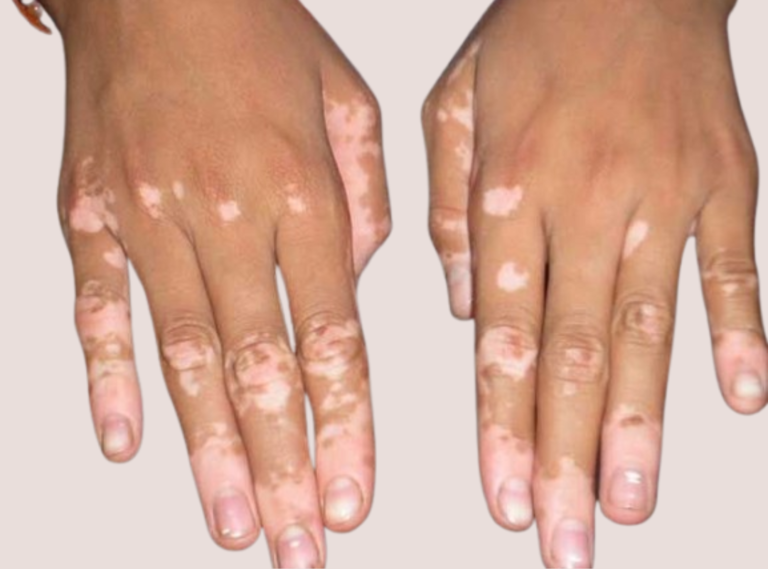
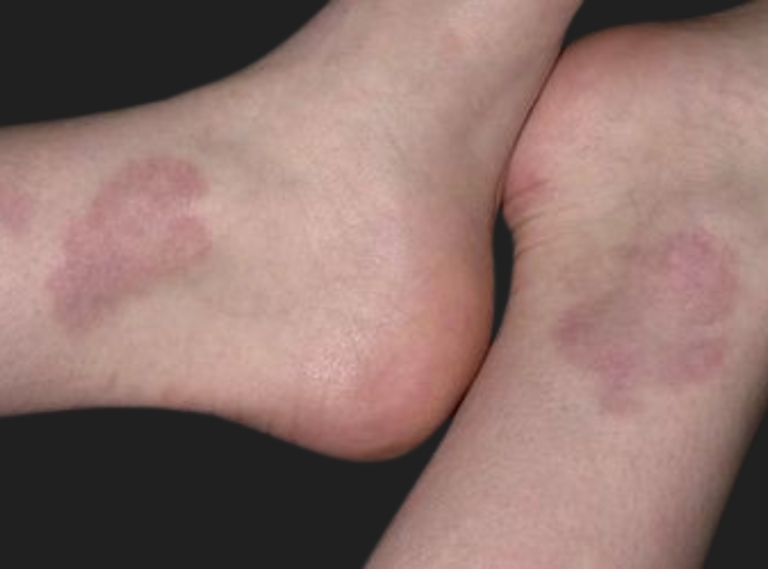
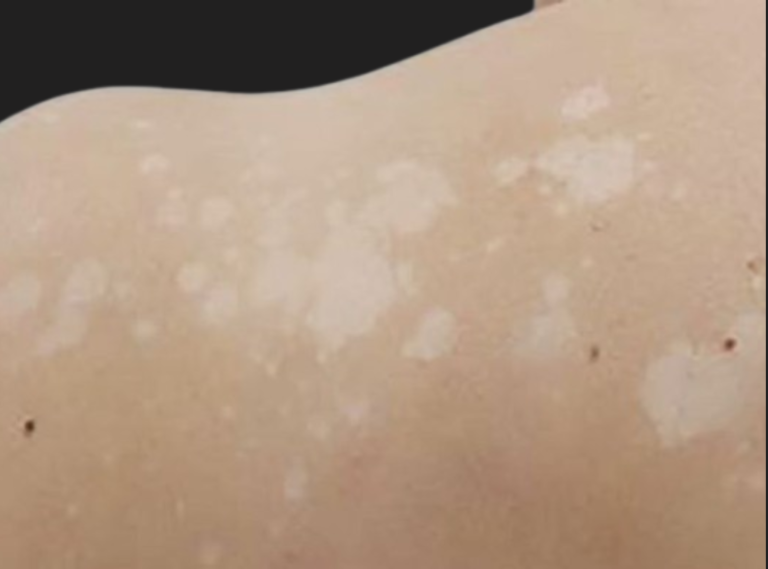
Psoriasis is a chronic autoimmune skin condition that accelerates the skin cell turnover process, forming raised, red patches covered with silvery scales. Symptoms vary based on the type and severity of psoriasis, but here are some common ones
1. Red, Inflamed Patches of Skin:
Silvery-white scales typically cover these patches. They commonly appear on the elbows, knees, scalp, and lower back but can develop anywhere on the body.
2.Itching and Burning Sensation:
The affected areas often itch, and a burning sensation may also occur in some cases. Scratching worsens the condition and causes skin injury.
3.Dry, Cracked Skin:
Dryness and inflammation may cause the skin to crack and bleed, which becomes more noticeable in severe cases.
4.Thickened or Ridged Nails:
Psoriasis affects the nails, making them thickened, discolored, or pitted. In some cases, nails separate from the nail bed (onycholysis).
5.Scaling:
The affected skin areas may shed white or silvery scales as the body tries to shed the excess skin cells.
6.Swollen and Stiff Joints (Psoriatic Arthritis):
In some cases, psoriasis accompanies psoriatic arthritis, causing joint pain, swelling, and stiffness. This condition can affect any joint but most commonly impacts the fingers, toes, knees, and lower back.
7.Plaques:
Raised, thick patches of skin appear inflamed and covered with silvery scales. Plaques commonly occur in plaque psoriasis, the most prevalent type of psoriasis.
8.Guttate Psoriasis:
This type of psoriasis features small, drop-shaped spots on the skin, typically on the trunk, arms, or legs. Infections like strep throat often trigger it.
9.Inverse Psoriasis:
In this form, smooth, red patches appear in areas where the skin rubs together, such as under the armpits, in the groin, or around the buttocks.
10.Erythrodermic Psoriasis:
A rare and severe form of psoriasis causes widespread redness, peeling, and shedding of the skin, often leading to intense itching or burning sensations. This condition can result in severe fluid loss and become life-threatening.
Treatments:
Ayurveda takes a holistic approach to managing psoriasis, balancing the body’s internal energies (doshas) and targeting the root cause of the condition instead of just the symptoms. Ayurvedic treatments detoxify the body, enhance skin health, reduce inflammation, and restore immune system balance. Here are some commonly used Ayurvedic treatments for psoriasis:
1. Panchakarma Therapy (Detoxification):
- Panchakarma is a series of Ayurvedic detoxification therapies that cleanse the body of accumulated toxins (ama) and restore balance to the doshas. It includes treatments like:
- Virechana (therapeutic purgation): Cleanses the body of excess Pitta, which is associated with inflammation, and toxins.
- Basti (medicated enemas): Balances Vata dosha and detoxifies the colon.
- Nasya (nasal administration of medicated oils): Clears toxins from the head and sinuses.
- Abhyanga (oil massage): Massages medicated oils, such as sesame, Brahmi, or neem oil, into the skin to nourish, hydrate, reduce inflammation, and promote healing.
2.Herbal Treatments:
- Neem: Neem is well-known for its anti-inflammatory, antibacterial, and antifungal properties. It reduces redness, irritation, and itching when used both internally (in powder or capsule form) and externally (in creams or oils).
- Turmeric: Curcumin, the active compound in turmeric, has powerful anti-inflammatory and antioxidant properties. It reduces inflammation and promotes skin healing. You can take turmeric as a supplement or use it topically in paste form.
- Aloe Vera: Aloe vera gel soothes and cools the skin. Applying it directly to affected areas relieves itching and redness.
- Triphala: This combination of three fruits (Amalaki, Haritaki, and Bibhitaki) detoxifies the body and balances the digestive system, which is crucial for skin health. Triphala is available as a powder or capsule.
- Ashwagandha: Ashwagandha, known for its adaptogenic properties, reduces stress, a common trigger for psoriasis flare-ups. You can take it as a supplement or in tea form.
3. Dietary Recommendations:
- A Sattvic diet (pure, balanced foods) reduces inflammation and supports overall health. A diet rich in fresh fruits, vegetables, whole grains, and legumes balances the doshas and improves digestion.
- Avoid spicy, oily, and fried foods as they aggravate the Pitta dosha and trigger flare-ups.
- Incorporate anti-inflammatory foods like ginger, garlic, turmeric, and omega-3-rich foods (such as flaxseeds and chia seeds) to soothe inflammation.
- Drink plenty of water and herbal teas, such as licorice root tea or chamomile, to flush out toxins and keep the skin hydrated.
4. External Applications:
- Medicated oils and pastes soothe irritation, reduce redness, and aid in the healing process when applied to the skin:
- Brahmi oil: Calms the skin and improves healing.
- Coconut oil: Hydrates the skin and relieves dryness.
- Sandalwood paste: Cools the skin and reduces inflammation.
- Neem paste: Reduces bacterial infections and inflammation.
Conclusion
Ayurvedic treatment for psoriasis takes a comprehensive approach, addressing both internal and external factors. By balancing the doshas, promoting detoxification, using healing herbs, and adopting a healthy lifestyle, Ayurveda provides a safe and natural way to manage psoriasis. However, consulting with an Ayurvedic practitioner is essential to determine the best course of treatment tailored to individual needs and conditions.